
The Space Race
During the time that has passed since the launching of the first artificial satellite in 1957, astronauts have traveled to the moon, probes have explored the solar system, and instruments in space have discovered thousands of planets around other stars.
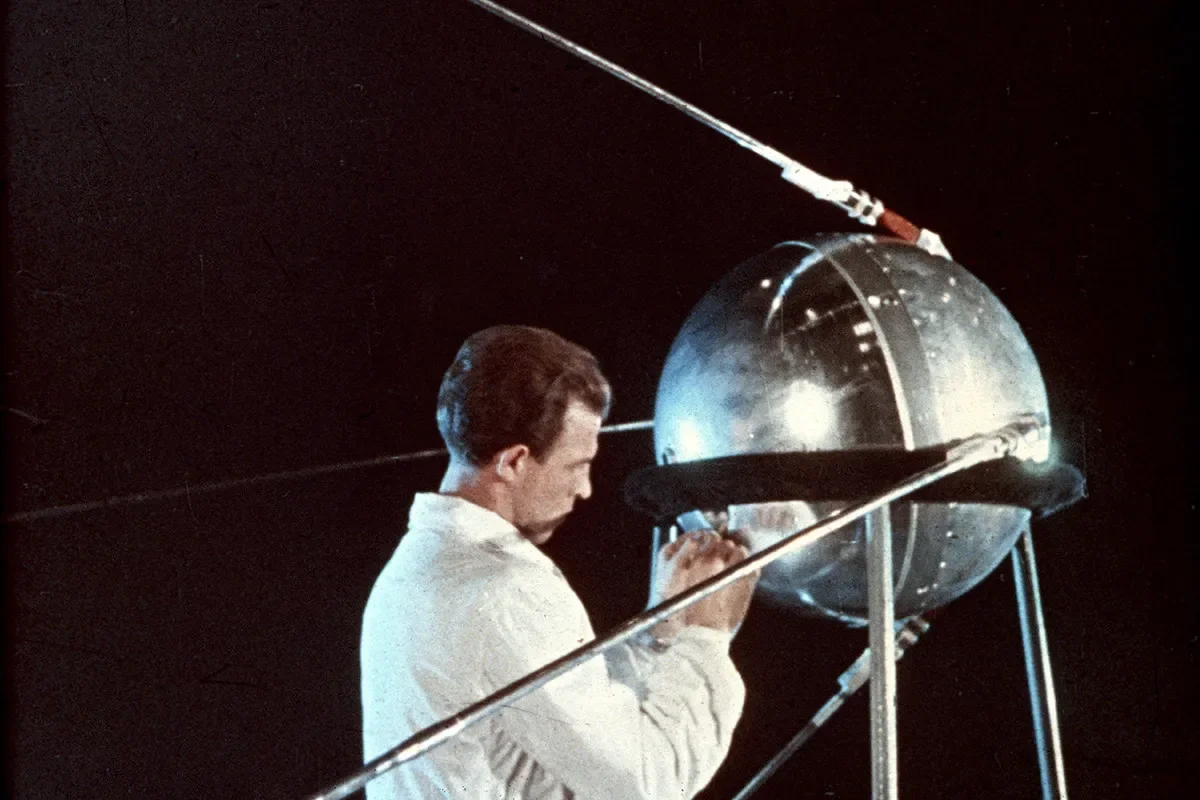
We human beings have been venturing into outer space since October 4, 1957, when the Union of Soviet Socialist Republics (U.S.S.R.) launched Sputnik, the first artificial satellite to orbit Earth. This happened during the period of hostility between the U.S.S.R. and the United States known as the Cold War.
Sputnik’s launch shifted the Cold War to a new frontier, space. The space race, a competition for prestige and spectacle, was a less-violent aspect of the Cold War, the often-deadly clash between the U.S.S.R. and the U.S.
From The History of the Space Race, National Geographic; Image: NASA
Timeline
-
![]()
1957
Soviet Launch of Sputnik
The Soviet launch of Sputnik, the first artificial satellite, shocked the United States and intensified the Space Race. This event underscored the urgency of developing American space capabilities, and von Braun's expertise became even more valuable.
-
![]()
1958
Launch of Explorer 1
Von Braun's team successfully launched Explorer 1, the first American satellite, using a Jupiter-C rocket derived from the Redstone. This was a significant achievement that demonstrated America's technological prowess.
Image: University of Iowa James A. Van Allen Collection
-
![]()
1960
Transfer to NASA and Establishment of the Marshall Space Flight Center
The ABMA's space-related activities were transferred to NASA (National Aeronautics and Space Administration), and the Marshall Space Flight Center was established in Huntsville, Alabama, with von Braun as its first director. This transition marked a shift from military to civilian space exploration.
Image: Alan Lawrie collection
-
![]()
1960s
Development of the Saturn V Rocket
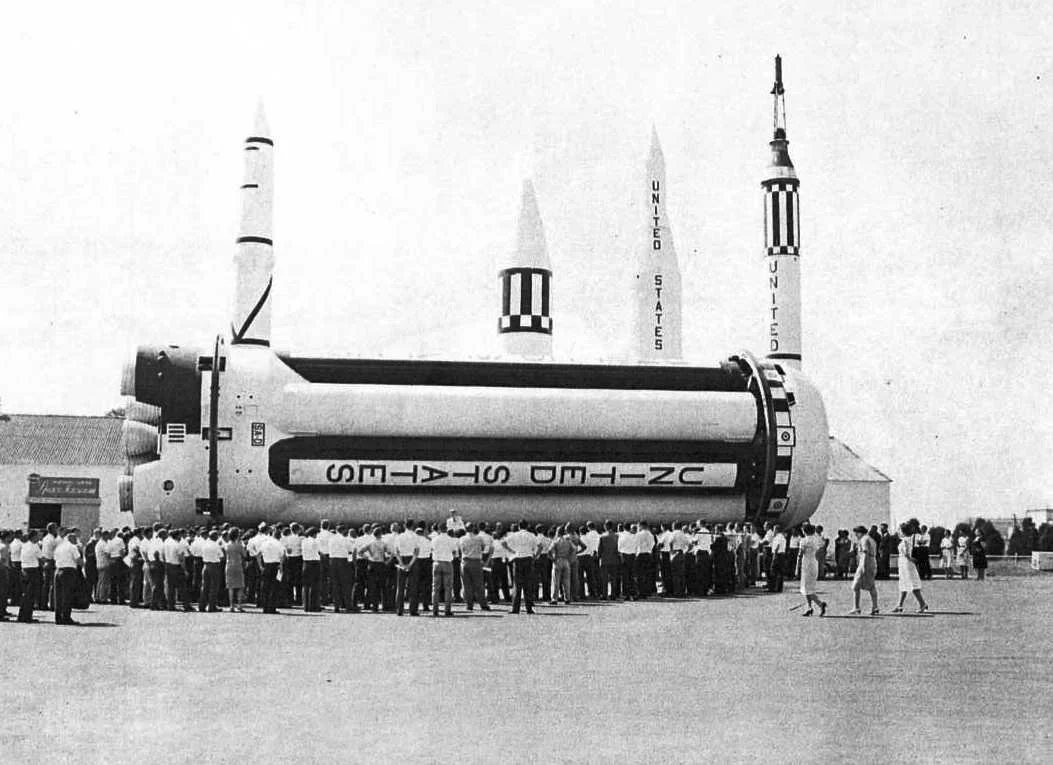
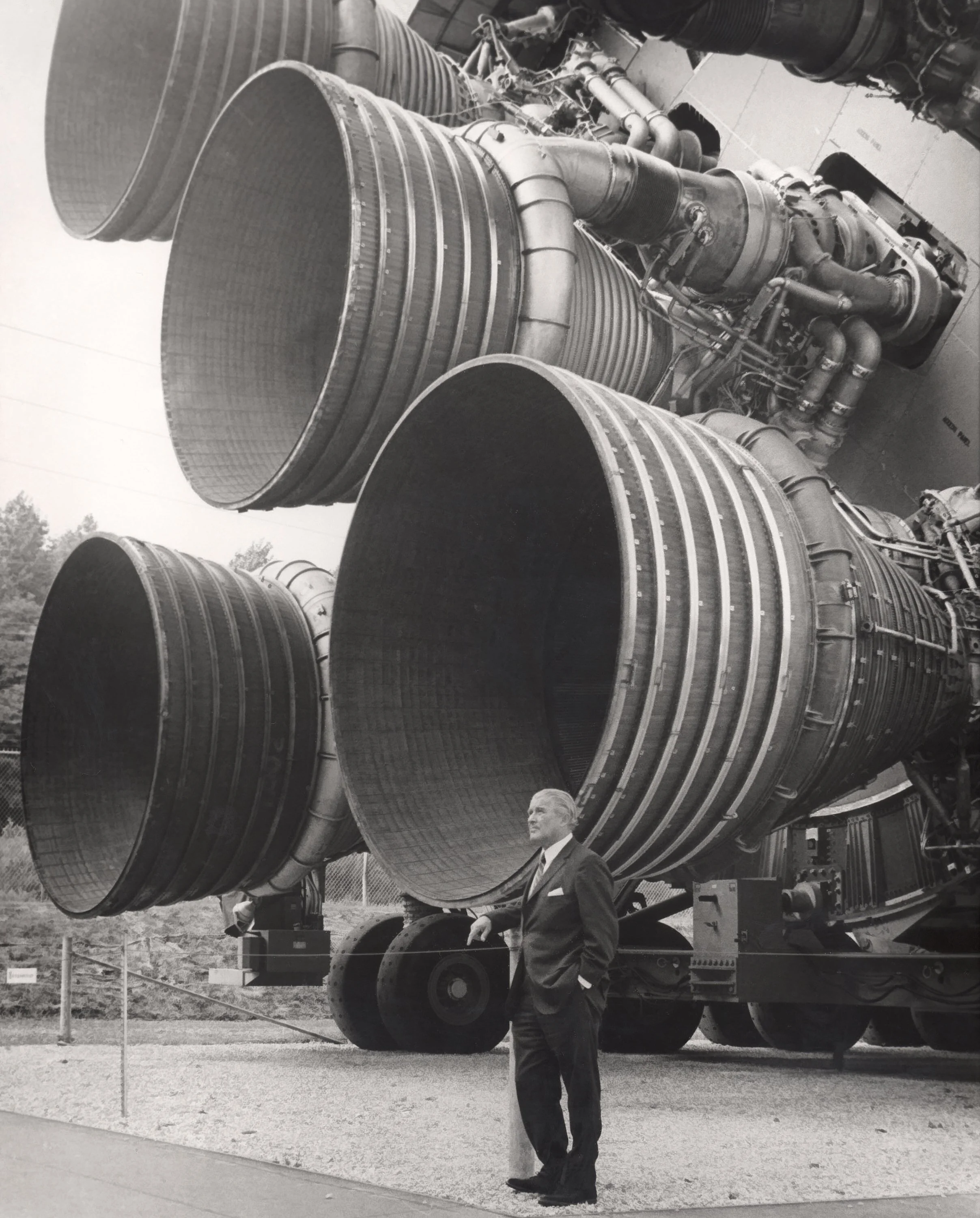
Von Braun led the development of the Saturn V rocket, the most powerful rocket ever built. The Saturn V was crucial for the Apollo program and the eventual Moon landings. He managed a large team of engineers and scientists, overcoming numerous technical challenges to realize this incredibly complex project.
-
![]()
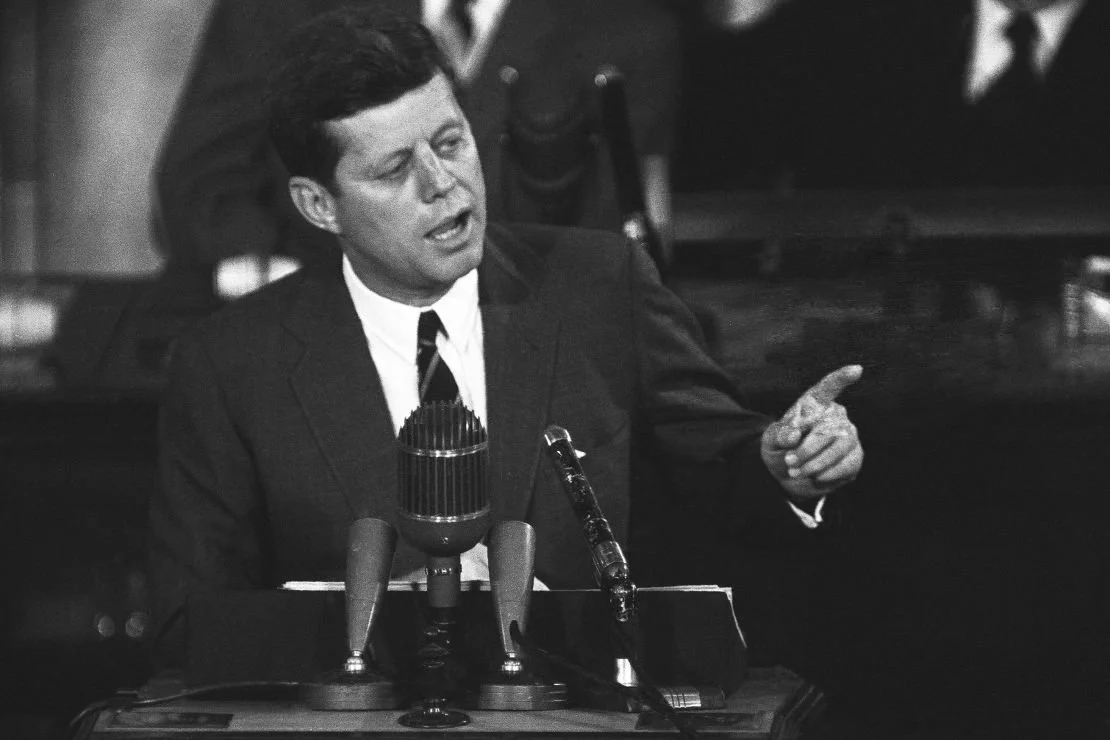
1961
President Kennedy's Commitment to Landing a Man on the Moon
President Kennedy's bold declaration to land a man on the Moon by the end of the decade provided a clear goal for the US space program. Von Braun and his team were tasked with developing the necessary technology to achieve this ambitious objective.
Image: AP
-
![]()
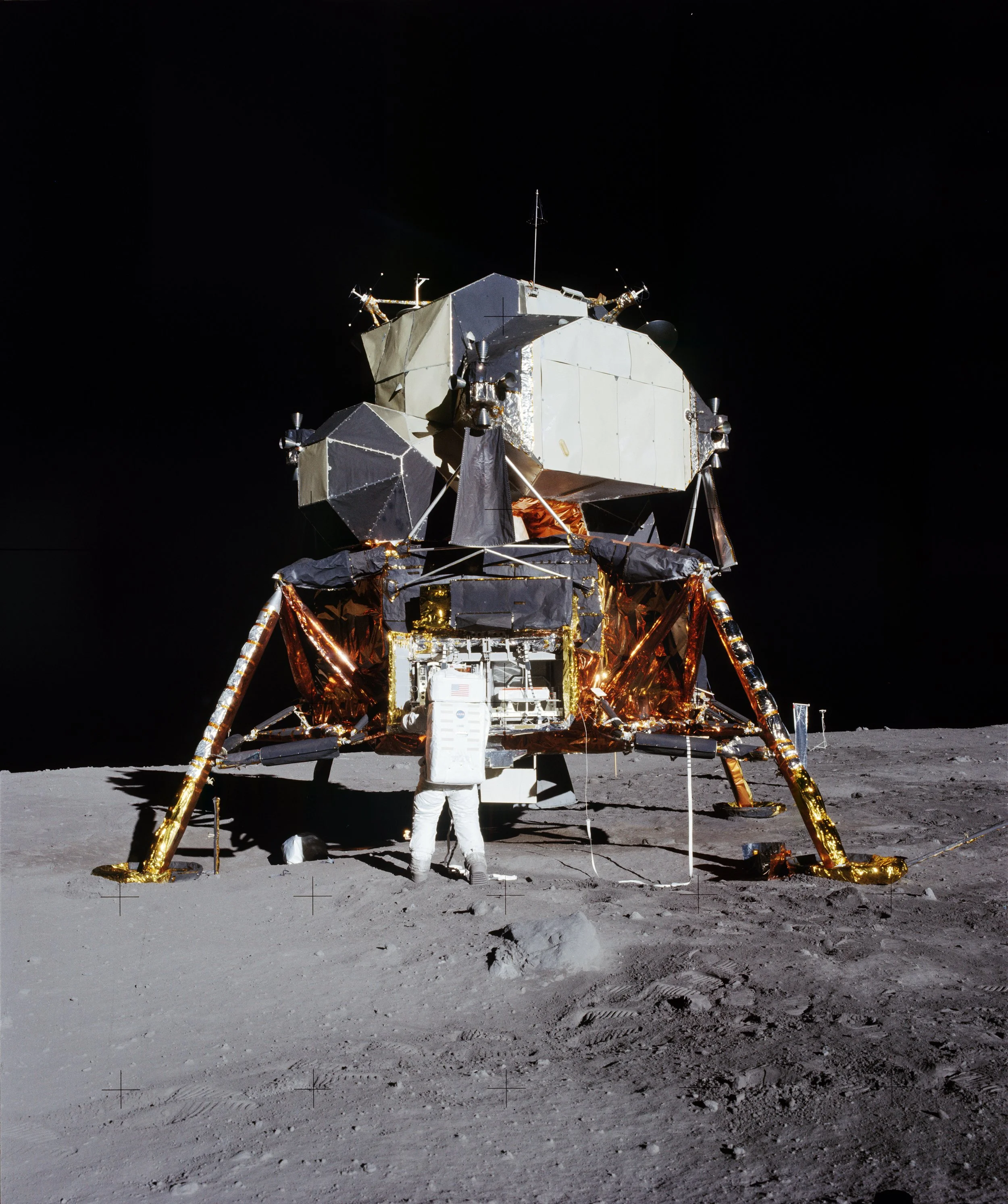
July 20, 1969
Apollo 11 Moon Landing
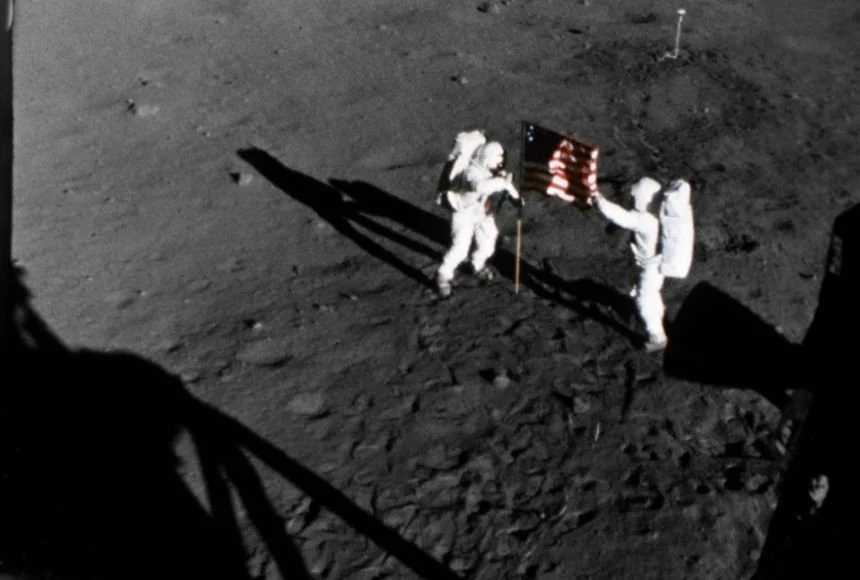
The Apollo 11 mission successfully landed Neil Armstrong and Buzz Aldrin on the Moon, fulfilling President Kennedy's commitment and marking a historic triumph for the United States. Von Braun's Saturn V rocket played a central role in this achievement.
-
![]()
1969-1972
Continued Apollo Missions
Von Braun continued to oversee the development and launch of subsequent Apollo missions, further expanding our knowledge of the Moon. However, public interest in the Moon landings began to wane, and the Apollo program was eventually scaled back.
Image: Neil Armstrong
-
![]()
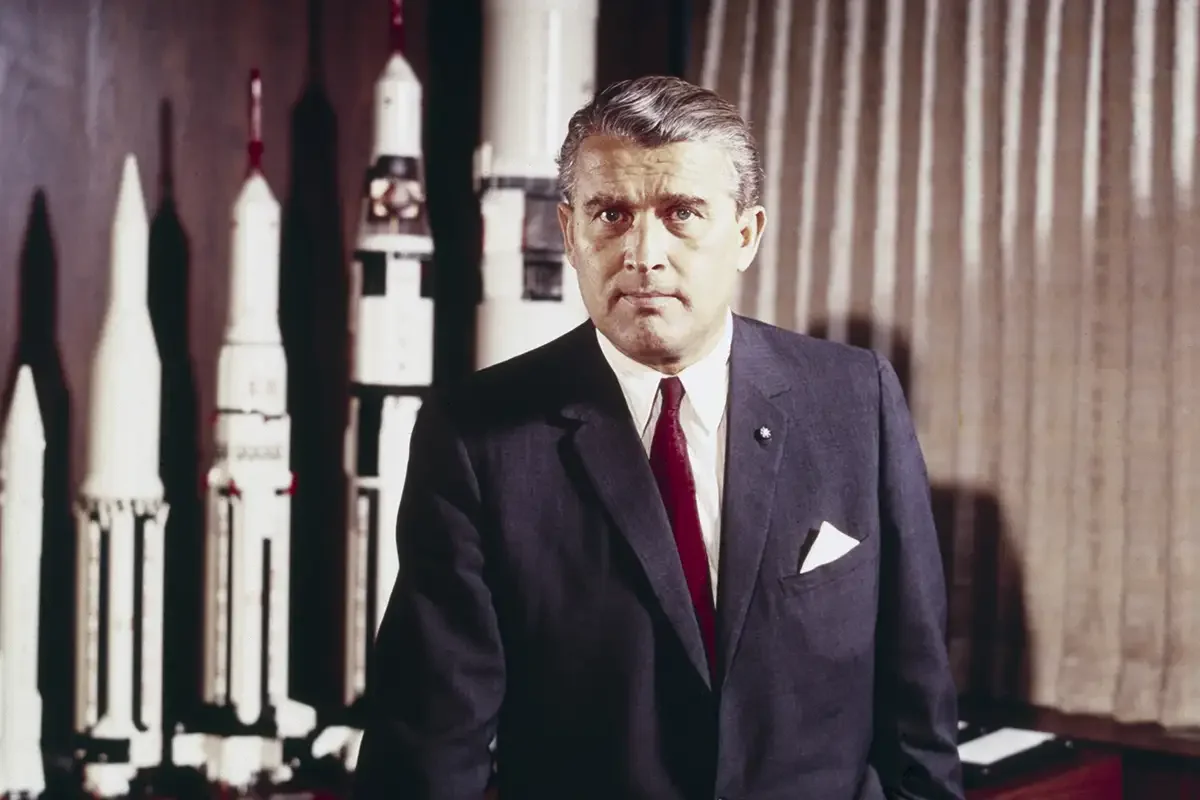
1970
Public Service Award
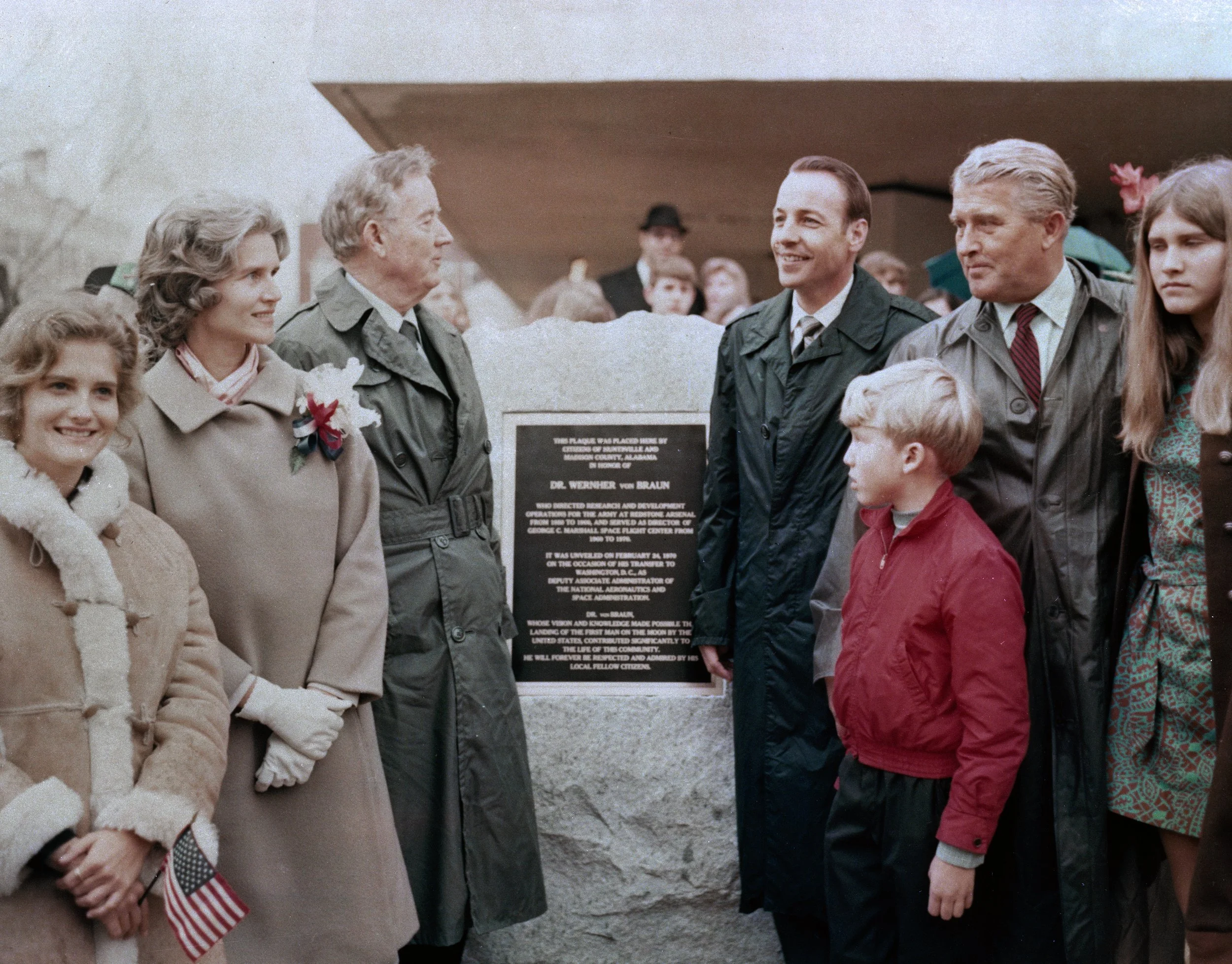
Von Braun received the Distinguished Public Service Medal from NASA, recognizing his contributions to the US space program.
Image: NASA/MSFC
-
![]()
1972
Departure from NASA
Von Braun left NASA, feeling that his vision for future space exploration was not being adequately supported. He had advocated for a more ambitious program of lunar exploration and the development of reusable spacecraft.
Image: NASA

Resources
-
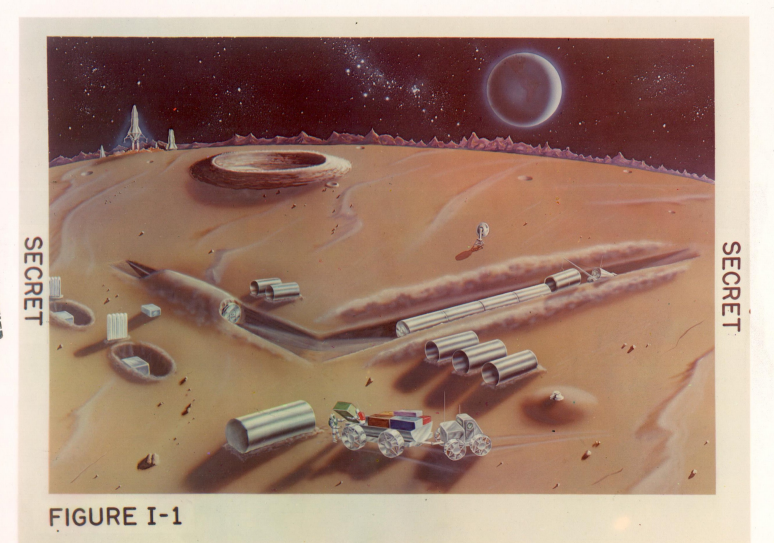
Project Horizon: Nukes and shotguns on the moon
The project, which began in 1959, was essentially the U.S. Army’s attempt to colonize the moon, build outposts, and claim it for America! The formerly secret project is now available to the world to discover, and it’s truly fascinating.
The Army’s plan had a bit of everything, including comms, food, and a schedule that would have us conquering the moon by 1964.
The goal was to establish a moon outpost that could support life and communicate with Earth. The period after WWII was a time of American excellence when anything seemed possible. This was also a time were we raged against the communists in everything we did, and that included Project Horizon.
-
Project Horizon Report: A U. S. Army Study for the Establishment of a Lunar Outpost
“I envision expeditious development of the proposal to establish a lunar outpost to be of critical importance to the U. S. Army of the future. This evaluation is apparently shared by the Chief of Staff in view of his expeditious approval and enthusiastic endorsement of initiation of the study. Therefore, the detail to be covered by the investigation and the subsequent plan should be as complete as is feasible in the time limits allowed and within the funds currently available within the office of the Chief of Ordnance. In this time of limited budget, additional monies are unavailable. Current programs have been scrutinized rigidly and identifiable "fat" trimmed away. Thus high study costs are prohibitive at this time.”
-
NASA's First 50 Years Historical Perspectives
This document, edited by Steven J. Dick, is a compilation of proceedings from NASA's 50th-anniversary conference held in October 2008. It offers historical perspectives on the agency's first half-century, from 1958 to 2008.
-
An Illustrated Chronology of the NASA Marshall Center and MSFC Programs
This illustrated chronology details the activities of the NASA Marshall Space Flight Center (MSFC) and its programs from 1960 to 1973, with some background information extending to 1957 and postscript information up to May 1974.
-
Wernher von Braun on Traveling to Mars
-
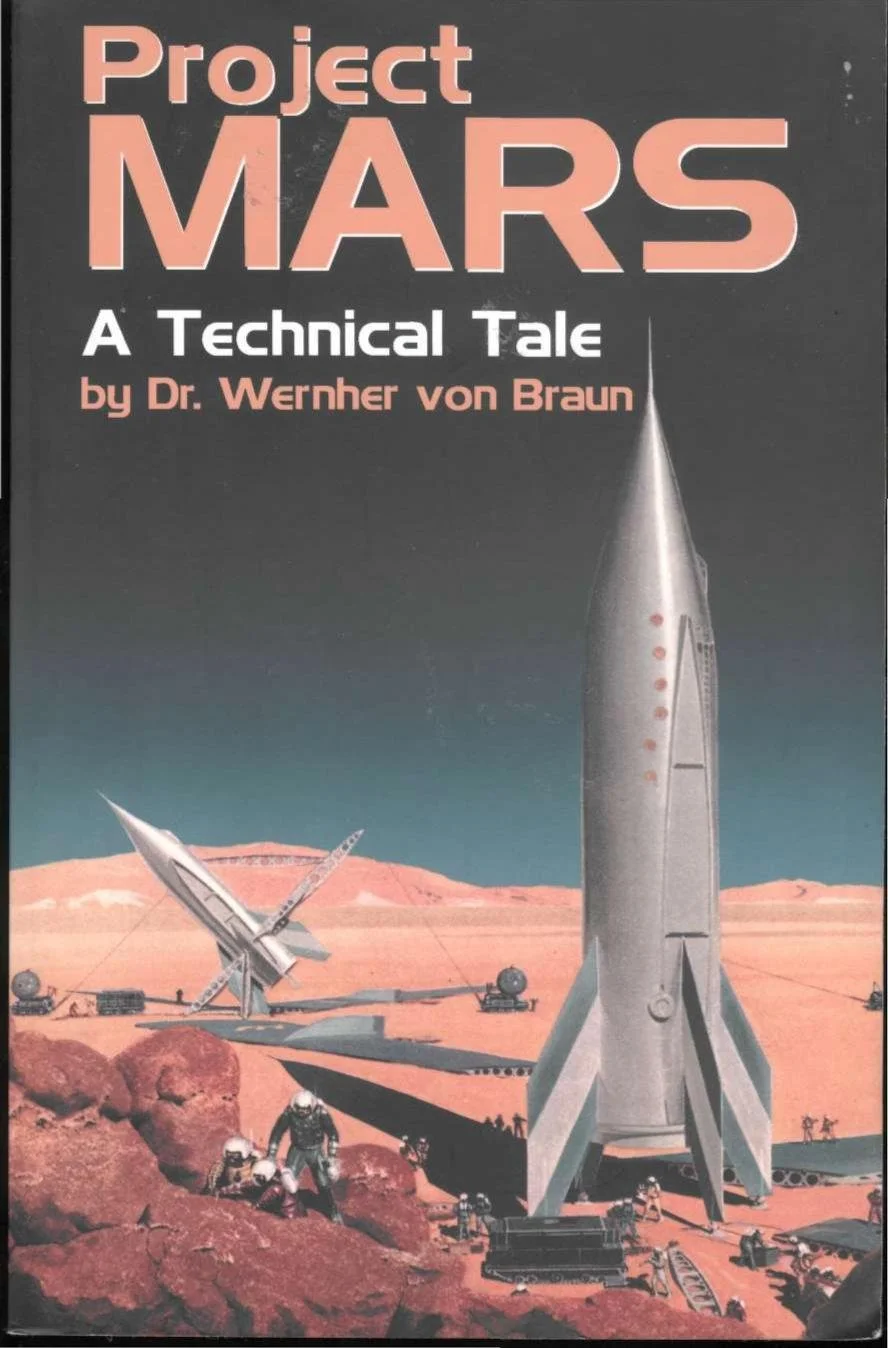
Project Mars: A Technical Tale
by Dr. Wernher von Braun